
Landscape Designs That Incorporate Gardening Spaces
Modern homeowners increasingly recognize the value of combining beautiful ornamental landscaping with functional food-producing gardens that provide fresh vegetables, herbs, and fruits while enhancing property aesthetics. Traditional landscapes often treated vegetable gardens as purely utilitarian spaces hidden away in back corners, but contemporary approaches integrate edible plants seamlessly into overall landscape compositions. This integration creates outdoor spaces that serve multiple purposes, including beauty, food production, entertainment, and connection with nature through hands-on gardening activities. Understanding how to incorporate productive gardening areas into cohesive landscapes allows you to enjoy both the visual appeal of professional landscaping and the practical benefits of homegrown produce. The most successful landscapes balance aesthetic considerations with functionality, creating outdoor environments that look beautiful while providing spaces for the rewarding hobby of growing your own food and connecting with seasonal cycles through gardening activities.
Creating Dedicated Garden Zones Within Overall Layouts
According to This Old House, in 2023, more than one-third of U.S. households planned on spending more on lawn and gardening projects for food gardening. Thoughtful landscape designs establish distinct garden zones that integrate naturally with ornamental plantings rather than appearing as afterthoughts awkwardly placed wherever space remains available. These dedicated areas receive appropriate sun exposure for vegetable production while connecting visually to surrounding landscape elements through complementary hardscaping, edging materials, or transitional plantings. Raised bed gardens, bordered plots, or terraced growing areas create defined spaces that look intentional and organized rather than random vegetable patches disrupting otherwise cohesive landscapes. Professional design ensures garden zones enhance overall property aesthetics while providing the functional growing space that food gardening requires for successful production throughout growing seasons.
Many edible plants offer attractive foliage, flowers, or forms that blend beautifully with ornamental species, allowing food production within decorative landscape beds traditionally reserved for purely aesthetic plantings. Colorful chard, frilly kale, purple basil, and flowering herbs provide visual interest while producing edible harvests that traditional ornamental-only plantings cannot offer. Berry bushes, fruit trees, and edible flowers integrate seamlessly into mixed borders, delivering beauty alongside productivity that serves dual purposes within single planting areas. This integration approach works particularly well in smaller yards where dedicated vegetable gardens would consume too much limited space, allowing food production without sacrificing the ornamental landscapes that enhance property values and outdoor enjoyment.
Designing Attractive Garden Structures and Hardscaping
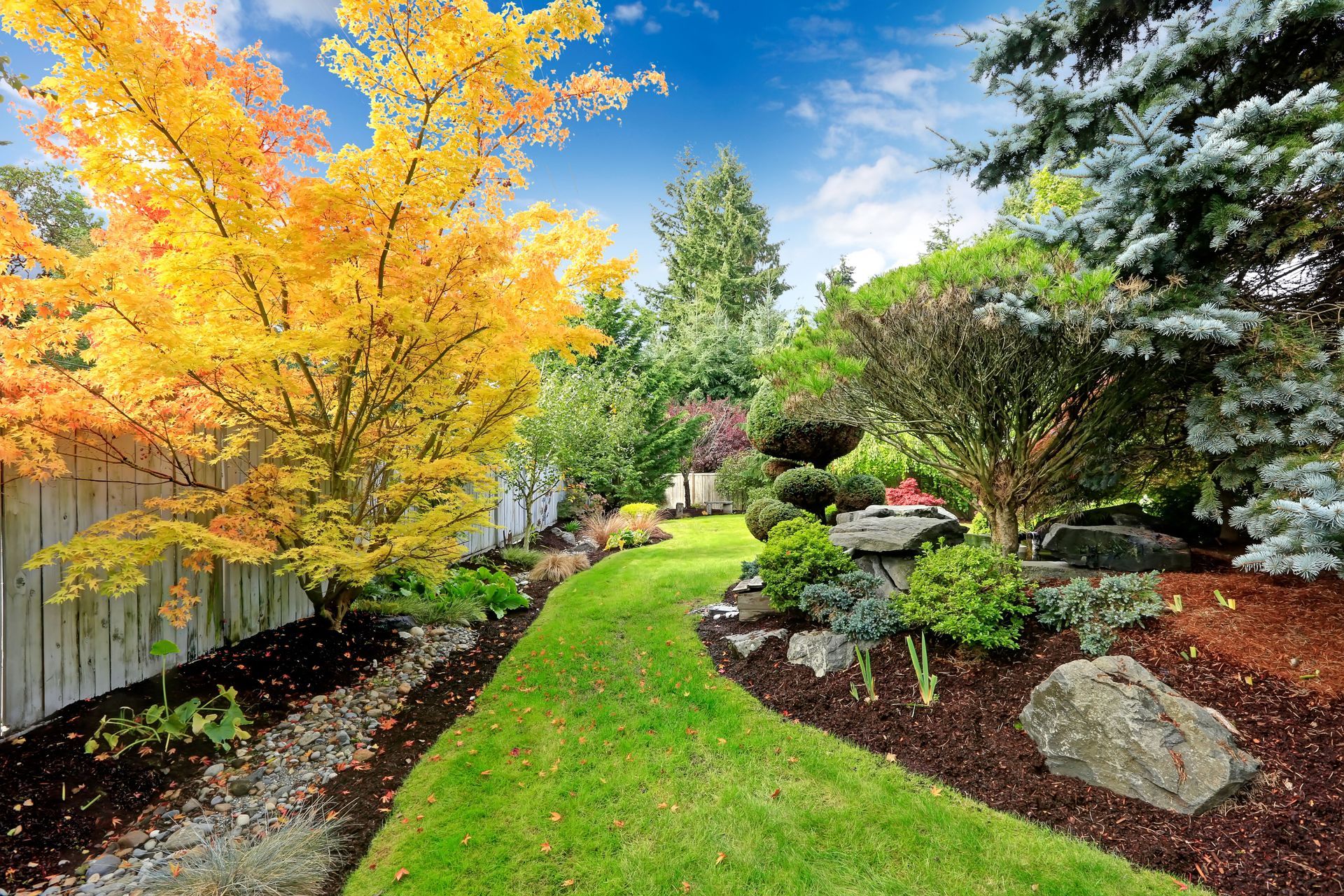
Quality landscape designs incorporate garden structures, including raised beds, trellises, arbors, and pathways that look attractive year-round, even when gardens aren't actively growing or producing. Well-designed raised beds using attractive materials like stone, quality wood, or decorative metal become landscape features in their own right rather than purely functional growing containers. Pathways through garden areas using pavers, gravel, or stepping stones provide access while creating visual organization that makes garden spaces look intentional and maintained. Vertical growing structures, including trellises, obelisks, or pergolas, add architectural interest while supporting climbing vegetables and fruits that maximize production in the limited horizontal space available in many residential properties.
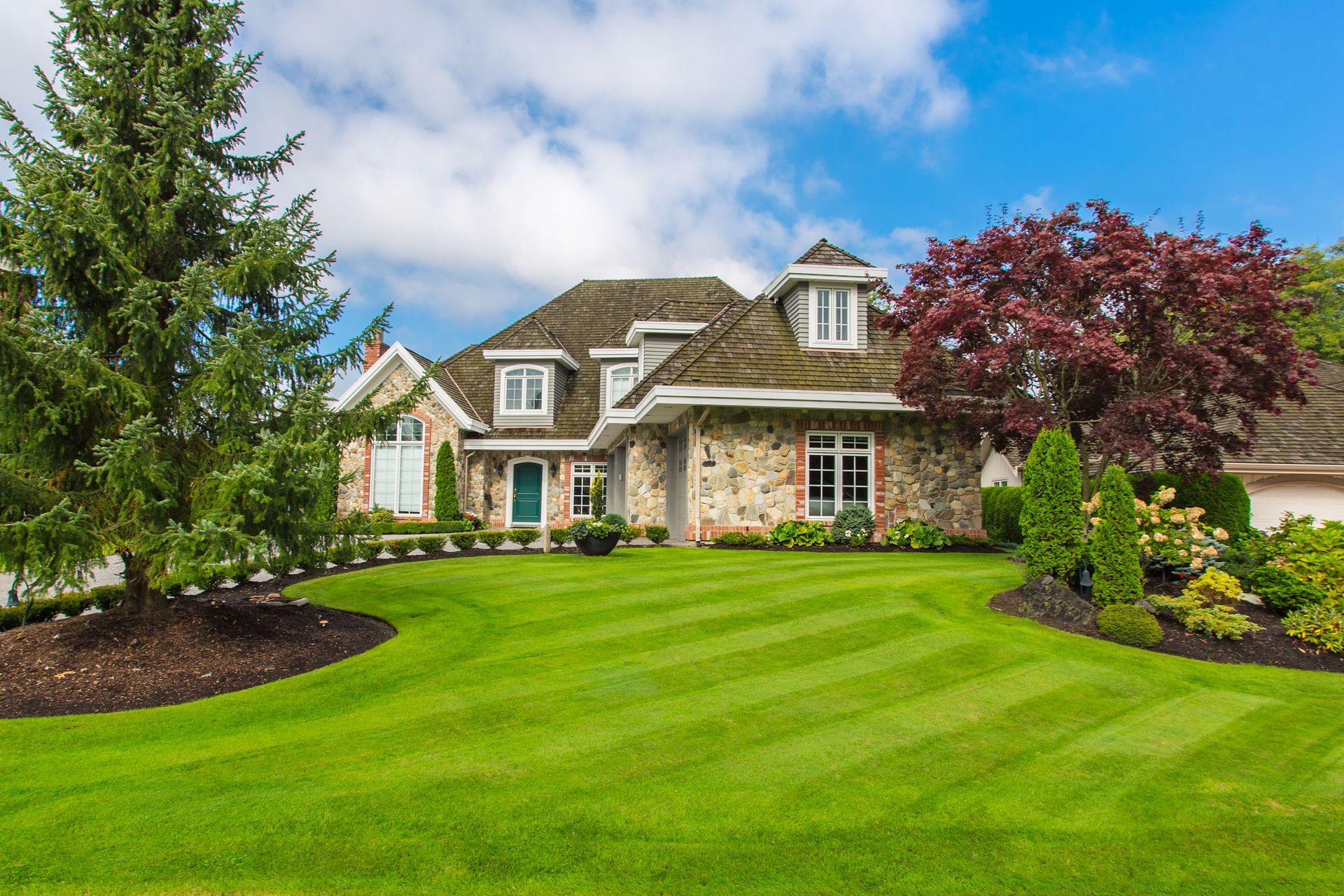
Successful integration requires coordinating garden area materials with hardscaping elements used throughout the broader landscape, including patios, walkways, walls, and other constructed features. Consistent use of stone types, wood finishes, or metal colors creates visual harmony, connecting garden zones to the overall property aesthetic rather than making them appear disconnected or inconsistent. Professional landscape designs specify materials that complement the architectural features of homes and existing landscape elements, creating cohesive appearances that look professionally planned. This material coordination extends to functional elements like irrigation components, lighting fixtures, and edging treatments that should match or complement materials used in ornamental landscape areas for unified, polished appearances.
Planning for Year-Round Visual Interest
Gardens planted only with annual vegetables look empty and unattractive during off-seasons when nothing is growing, making it important to incorporate evergreen elements, structural features, or perennial plantings that provide interest year-round. Evergreen hedges, attractive fencing, or permanent hardscape elements ensure garden areas remain visually appealing even during winter months when beds lie dormant. Including some ornamental perennials, flowering shrubs, or decorative elements among productive plantings extends visual interest beyond just the active growing season when vegetables flourish. Thoughtful landscape designs plan for transitional seasons by incorporating plants with attractive fall color, interesting winter structure, or early spring emergence that prevents garden areas from looking dead or neglected during months when vegetables aren't growing.
Productive gardens require consistent watering, and integrating attractive irrigation solutions maintains landscape aesthetics while meeting practical watering needs that vegetable production demands. Decorative water features can serve dual purposes by providing garden irrigation while creating pleasant sounds and visual focal points that enhance landscape appeal. Installing proper irrigation systems during initial landscape construction proves more economical and less disruptive than retrofitting water delivery to gardens added as afterthoughts. Professional landscape designs incorporate irrigation planning that serves both ornamental and productive plantings efficiently, ensuring all landscape zones receive appropriate water without unsightly hoses or sprinklers detracting from the carefully planned aesthetics that quality design creates.
Creating Transitional Plantings Between Zones
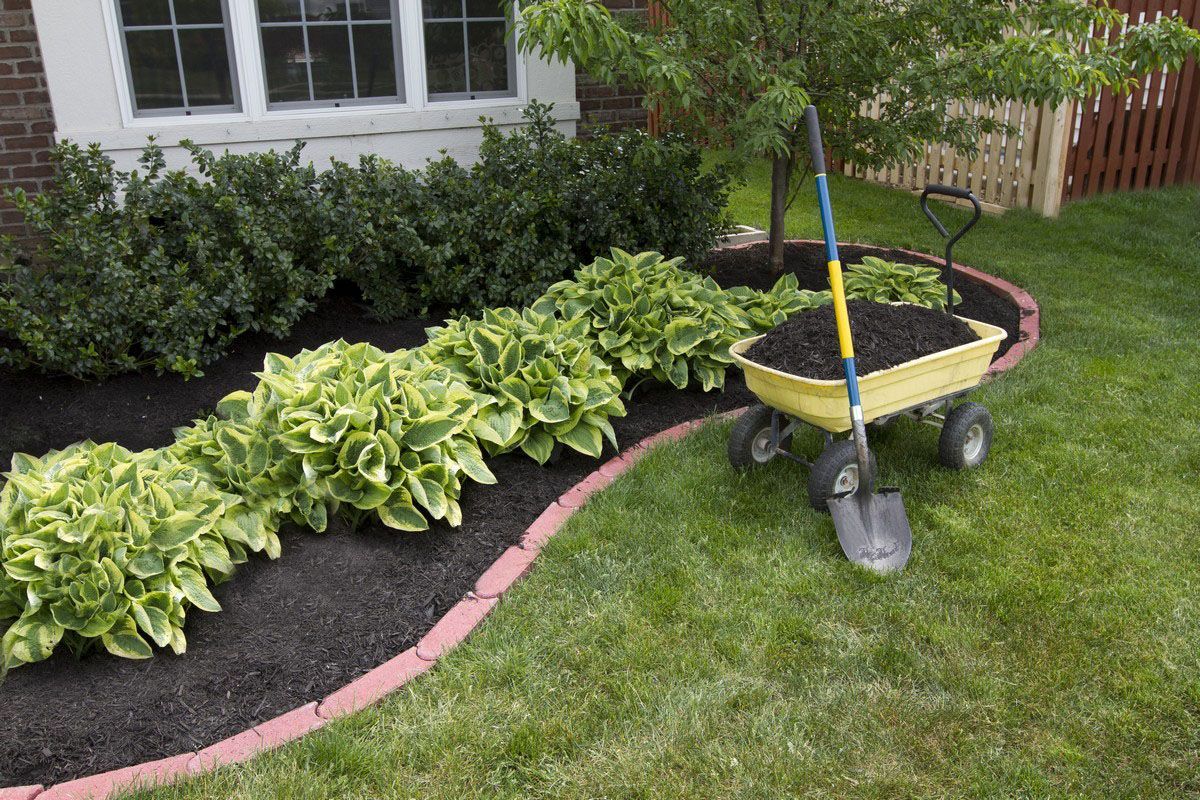
Smooth visual transitions between formal ornamental areas and productive garden spaces prevent jarring contrasts that make landscapes look disjointed or poorly planned. Border plantings using attractive edibles, decorative herbs, or dual-purpose plants like blueberries create gradual transitions that blend garden zones naturally into surrounding landscapes. Low hedges, decorative edging, or pathway treatments can delineate spaces while maintaining visual flow that connects rather than divides different functional areas. These transitional elements in thoughtful designs ensure productive gardens enhance rather than detract from overall property aesthetics by creating logical connections between different landscape zones serving various purposes.
Landscape lighting extends the usability of outdoor spaces into evening hours while highlighting attractive features and creating an ambiance that enhances outdoor living experiences. Garden areas benefit from functional lighting that allows evening harvesting, tending, or simply enjoying productive spaces after dark when daytime schedules don't permit. Decorative lighting of garden structures, pathways, or specimen plants creates nighttime interest while serving practical purposes of illuminating work areas and navigation routes. Professional landscape designs incorporate lighting plans that serve both aesthetic and functional needs, ensuring gardens and surrounding landscapes look beautiful and remain usable regardless of time of day or season.
Designing for Accessibility and Maintenance
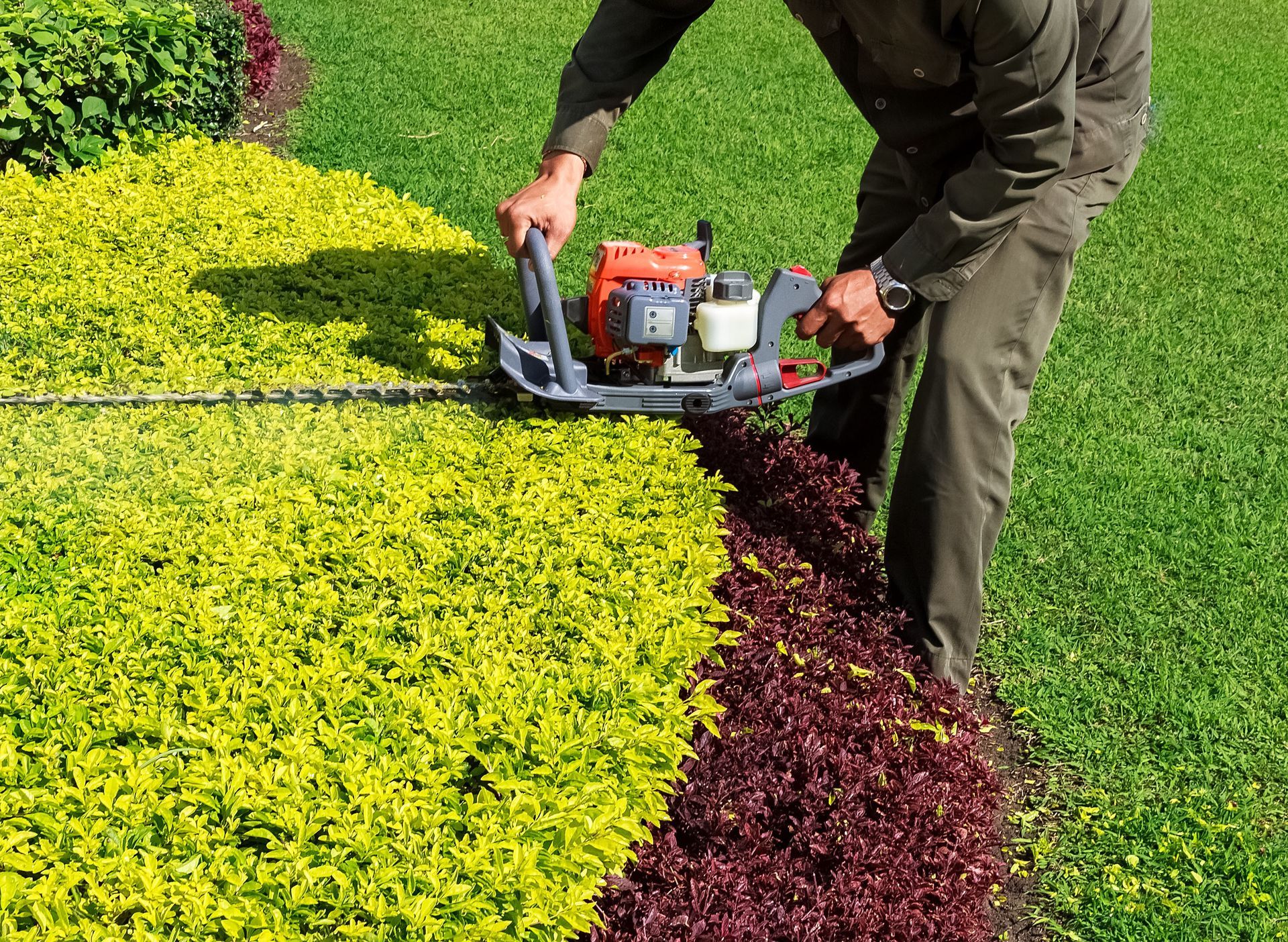
Productive gardens require regular tending, including planting, weeding, harvesting, and other maintenance activities that landscape design should accommodate through appropriate access and ergonomic considerations. Adequate pathway widths, comfortable bed heights, and efficient layouts reduce physical strain while making garden maintenance more enjoyable and sustainable over the years of active use. Storage for tools, compost bins, and garden supplies should be incorporated discreetly within overall designs rather than added haphazardly as afterthoughts that clutter landscapes. Thoughtful designs anticipate maintenance needs and create solutions that keep gardens productive and attractive without requiring excessive effort or creating eyesores from necessary but potentially unattractive functional elements.
Integrating productive gardening spaces into cohesive
landscape designs creates outdoor environments that serve multiple purposes while maintaining the aesthetic appeal that professional landscaping provides. The most successful approaches balance beauty with functionality, allowing homeowners to enjoy both the visual pleasure of attractive landscapes and the practical satisfaction of growing their own food in spaces that enhance rather than detract from property values. Understanding design principles that govern successful integration helps you create or commission landscapes that deliver comprehensive benefits throughout seasons and years of use and enjoyment. Whether you need natural swimming pools, water features, pavers and concrete, stone work, wood work, lighting, or plants, Nature Perfect Landscape and Design was founded in 2005, offers design consultations, handles jobs of any size, earned Northwest Flower and Garden Festival Best in Show, belongs to the Washington Association of Landscape Professionals, and provides custom stonework. For more information, contact us today!
Share On: