
How Landscape Design Can Boost Your Home's Curb Appeal
Curb appeal is a term often used in real estate to describe the attractiveness of a property as viewed from the street. By highlighting how thoughtful and strategic landscaping can boost your property's curb appeal, this article aims to inspire you to invest in your outdoor spaces. Whether you're planning to stay or sell, the quality of your landscape design impacts the perception and financial worth of your home. Beyond mere aesthetics, a professional approach to your garden ensures that every square foot of your property is utilized to its full potential. This involves a careful analysis of the local environment to select plants that provide year-round interest and structural integrity. By creating a cohesive look that mirrors the architectural style of your house, you establish a sense of harmony that resonates with anyone who visits. Furthermore, a well-executed plan can address practical concerns like drainage and privacy, making the space as functional as it is beautiful. This meticulous attention to detail ensures that your home stands out in the neighborhood for all the right reasons. Implementing aspects of good landscaping provides a haven for relaxation and entertainment while contributing positively to environmental sustainability.
Investing In Long-Term Property Appreciation Value
First impressions matter significantly, especially in real estate as potential buyers form opinions about a property within seconds. The external visage often determines whether an interested buyer will step in to explore further. A home with striking curb appeal engages the onlooker immediately, inviting them to imagine life within the property. A study by real estate experts shows that homes with higher aesthetic appeal gain increased buyer interest. Owners looking to capitalize on these first impressions must ensure that their property's exterior is as inviting and engaging as the interior. A visually charming exterior can significantly impact a property's valuation. According to HomeGuide, landscaping can significantly boost your home's value by as much as 10% to 30% based on the quality and type of improvements made. An attractive landscape design not only attracts buyers but may also fetch a higher asking price. Simple gestures, like well-placed plants and tidy walkways, can sway potential buyers' opinions, presenting a property as desirable and well-maintained. For a successful sale or simply to enhance personal satisfaction, first impressions start at the curb.
Balancing Visual Beauty With Practical Outdoor Use
Effective curb appeal involves a delicate balance between nature and design. Utilizing plants that complement the home's architecture and blend well with the surrounding neighborhood is a critical step. Architectural elements, such as front doors, windows, and roofs, also play a key visual role. These features, when designed cohesively with the landscape, enhance the aesthetic appeal of the home. Together, they create an overarching narrative of a well-cared-for property, ushering positivity and warmth. The overall appeal of a home's exterior is contingent upon elements that are beautiful, functional, and sustainable. Incorporating energy-efficient lighting and sustainable design practices reflect a conscientious approach to landscaping. External lighting, for instance, serves as both a practical safety enhancement and an aesthetic accent. Elements chosen for curb appeal should embody both aesthetics and functionality, offering comfort, security, and leisure. Thoughtful integration of these elements leads to exterior allure that increases the living experience for owners and guests alike.
Building Sustainable And Resilient Outdoor Environments
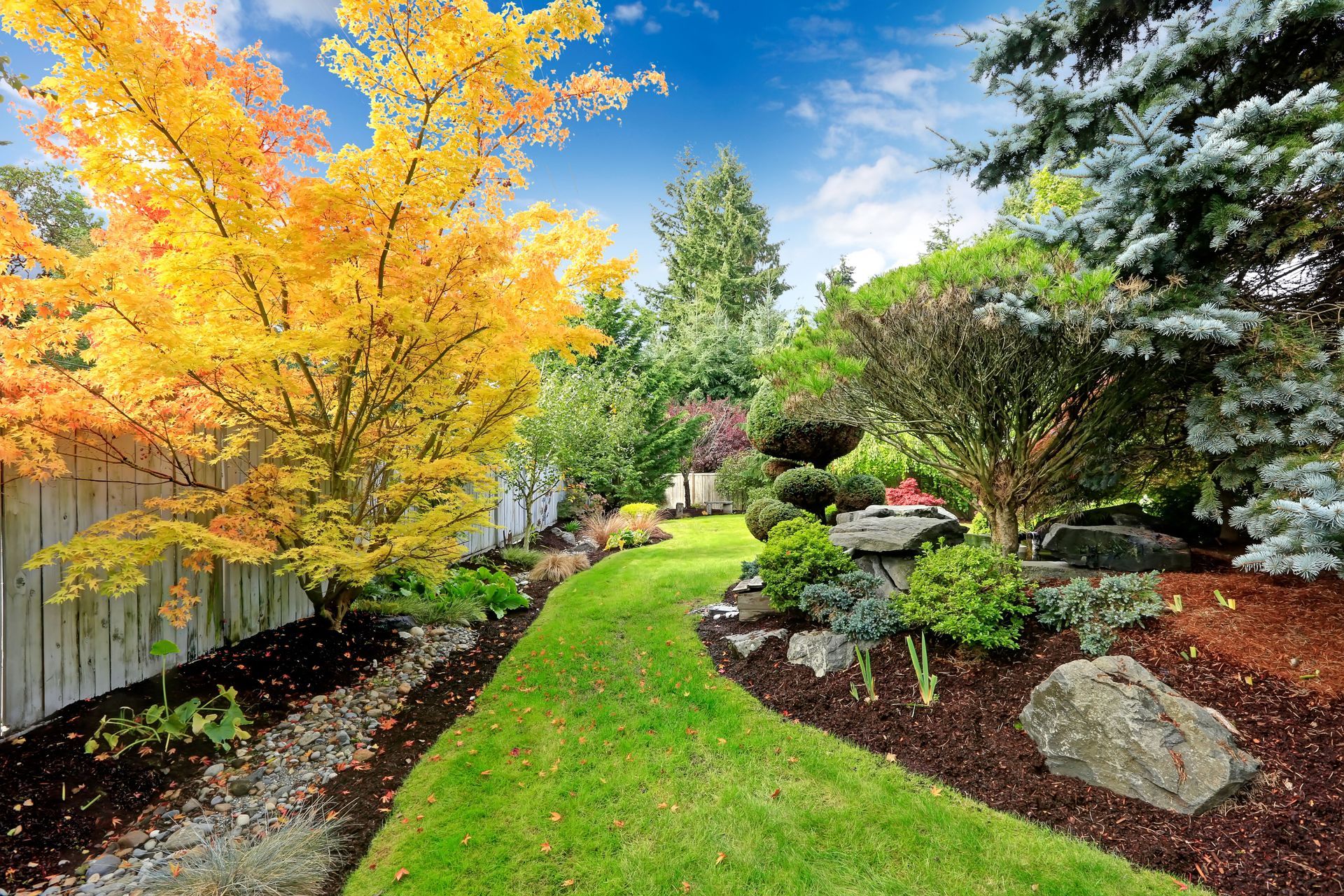
Understanding the basic principles of landscape design is crucial to achieving visual harmony and functionality. Unity, balance, scale, and simplicity are cornerstone concepts in garden design. Unity aims to create consistency among different landscape elements, both in terms of design continuity and color palette. Balance refers to the overall distribution of materials, symmetrical balance creates a formal appearance, while asymmetrical balance offers a more casual look. Scale and simplicity ensure that plant and structural selections are appropriate for the space, avoiding overwhelming or cluttered layouts. Another key landscape principle emphasizes a particular area or feature to draw the eye. Focal points could be a grand tree, a water feature, or a striking sculpture that becomes a central design element. Transition involves the gradual and purposeful change in scenery, promoting a sense of natural flow. It can be an incremental shift in plant height or color transitioning to different garden zones or spaces. By adhering to these design principles, a landscape can achieve both aesthetic attraction and practical functionality.
Developing Functional Spaces For Modern Household Needs
Foliage and flower color should also be strategically planned to enhance curb appeal. Combining varying hues through different seasons retains visual interest in the landscape throughout the year. Plant texture is another crucial factor; a landscape with combined fine and coarse textures adds depth and variety. Size and growth habits of selected plants should be evaluated to prevent overcrowding as they mature. Carefully chosen plants contribute significantly to the landscape's beauty while maintaining manageable maintenance requirements for homeowners. Furthermore, functionality should be considered when selecting plants, as some can serve more than just aesthetic purposes. Trees can provide essential shade or act as windbreaks, while shrubs can form living fences for privacy. Edible plants can be both functional and attractive while blending charm in design. By selecting plants that meet ornamental, ecological, and functional needs, landscapes can offer compelling visual appeal along with environmental benefits. The right plant selection ensures the landscape remains vibrant, sustainable, and engaging for years to come.
Highlighting Architectural Features With Natural Element Placements
Hardscaping is not purely practical; it also plays a creative role, enhancing the mood and tone of a landscape. Garden pathways can be artistically constructed with intricate mosaics or minimalist stones to strongly set a design narrative. Spaces created by hardscaping can also serve as areas for relaxation or entertainment, integrating seating, lighting, or fire features. The beauty of hardscaping is its marriage of form and function, serving as both a visual delight and a practical necessity. Through carefully planned hardscaping, landscapes achieve balance and sophistication, significantly boosting curb appeal and market value. Achieving a successful landscape design involves balancing aesthetics with functionality to create a cohesive and inviting garden. Aesthetic considerations include selecting a harmonious color palette, coordinating the architecture with plantings, and creating purposeful designs that flow seamlessly with interior spaces. For example, choosing plants and material colors that complement the home's exterior aids in creating visual continuity and enhances aesthetic charm. Functionality ensures that these aesthetic choices serve practical needs, like providing shade, privacy, or directing circulation through the space.
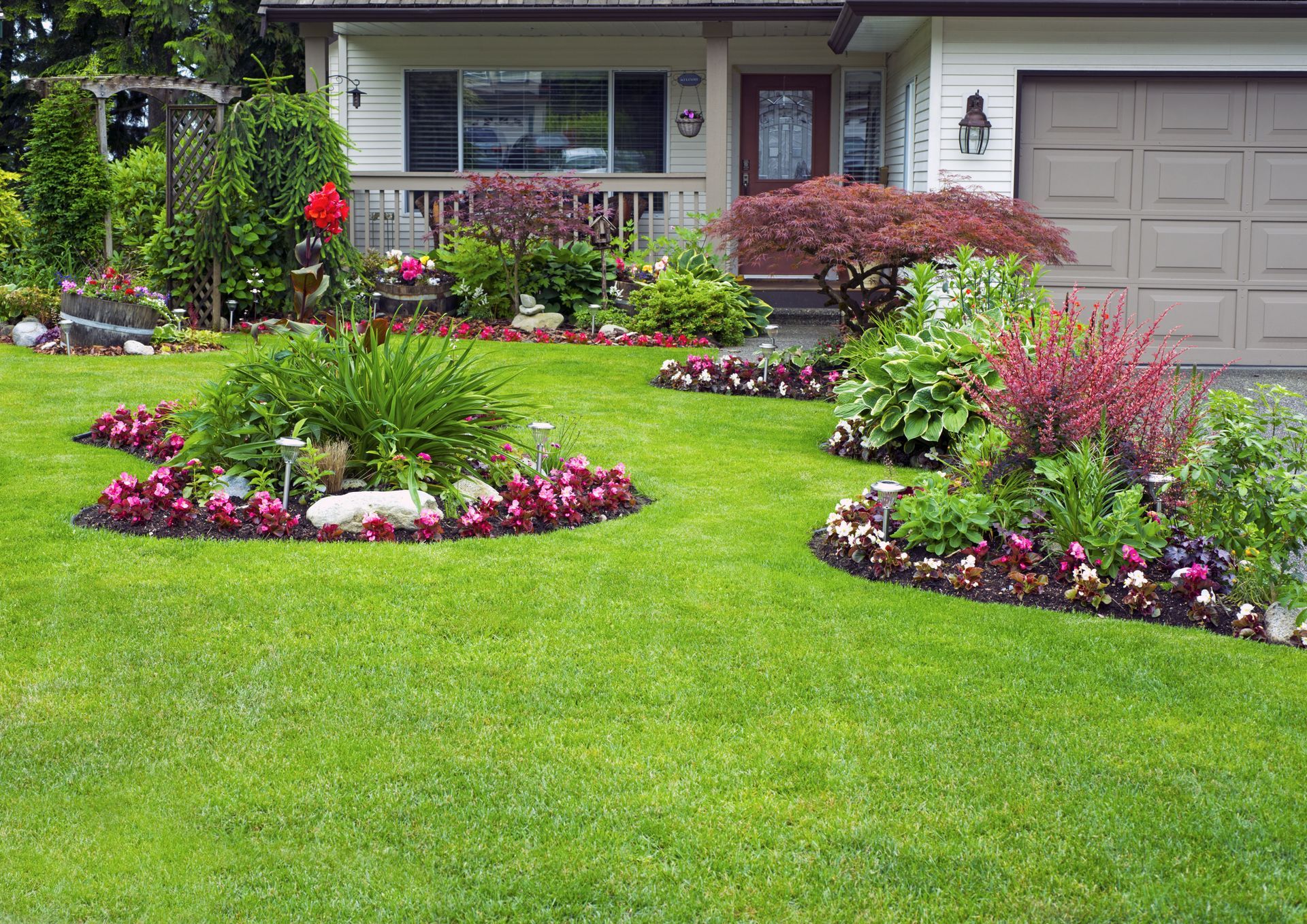
The transition between your home and the street is managed by thoughtful design choices. Strategic placement of plants is critical in making the most of your front yard's landscape design. Every plant addition should serve a purpose, whether it is enhancing aesthetic appeal or fulfilling a functional need. Additionally, varying plant types, including shrubs and ground covers, can add layers and nuances to the garden, providing a vibrant and lush appearance. Grouping plants of similar colors together also creates unity and a more orderly effect. By selecting specific species that thrive in your local microclimate, you ensure that your outdoor investment remains resilient and beautiful throughout the changing seasons. Incorporating native perennials can also support local pollinators while reducing the need for intensive maintenance. These deliberate choices transform a simple lawn into a sophisticated environment that reflects your personal style and elevates the neighborhood's overall character. Strategic placement enhances the front yard while creating engaging visual narratives that extend from the home's interior. For professional assistance with your next project, contact Nature Perfect Landscaping Inc today.
Share On: