How Landscape Design Is Incorporating More Water-Saving Features
Outdoor spaces are being planned with greater attention to water use, long-term maintenance, and changing climate conditions. Homeowners still want attractive lawns, planting beds, patios, and gathering areas, but they are also looking for ways to reduce unnecessary irrigation. Modern landscape design can address both goals by combining efficient watering systems, carefully selected plants, improved soil strategies, and features that help retain or reuse water.
Recent homeowner trends reflect that shift. According to the 2026 U.S. Houzz Outdoor Trends Study, 30% of homeowners who upgraded outdoor systems incorporated water-conservation features such as smart irrigation controllers, rainwater collection systems, or other water-saving improvements. These changes show that conserving water is becoming a more important part of outdoor planning rather than an afterthought.
Using Smarter Irrigation Systems
Adding Weather-Based Controllers
Traditional irrigation schedules can continue running even when rainfall or cooler weather reduces the need for watering. Smart controllers can respond to local conditions and adjust watering schedules accordingly. Incorporating this technology into landscape design can help deliver water when plants need it rather than relying on a fixed schedule throughout the entire season.
Adding Drip Irrigation
Drip systems can direct water closer to plant roots instead of spraying large areas. This targeted approach can be useful for garden beds, shrubs, and other planted spaces where overhead irrigation would create unnecessary evaporation or runoff. Delivering water closer to the root zone can support healthier plant growth while reducing waste.
Adding Zoned Watering
Different areas of a property rarely require the same amount of water. Turf, trees, shrubs, and perennial beds can have very different needs. Dividing irrigation into zones allows each area to receive an amount of water more closely matched to its plant material, sun exposure, and soil conditions.
Adding Efficient Sprinkler Heads
Older sprinkler heads can sometimes distribute water unevenly or send it onto driveways and sidewalks. Modern equipment can provide more controlled coverage. When irrigation components are selected and positioned appropriately, they can reduce overspray while helping maintain consistent moisture in the intended planting areas.
Using More Water-Efficient Plantings
Selecting Drought-Tolerant Plants
Plant selection has a major influence on long-term water demand. Drought-tolerant species can maintain visual interest while requiring less supplemental irrigation once established. A professional landscape design can combine these plants with other materials to create a full, layered appearance rather than making the property feel sparse.
Selecting Regionally Appropriate Plants
Plants suited to local climate conditions are generally better prepared for seasonal temperature changes and precipitation patterns. Choosing species that naturally perform well in the area can reduce the need for intensive watering and maintenance while still supporting color, texture, and seasonal interest.
Selecting Plants by Water Needs
Grouping plants with similar water requirements can make irrigation more efficient. Instead of placing thirsty plants beside species that prefer drier conditions, designers can create zones based on shared needs. This arrangement helps reduce the risk of overwatering one area simply to meet the needs of another.
Selecting Long-Lived Plantings
Durable plantings can reduce the need for frequent replacement and reestablishment. Young plants often require more consistent watering during establishment, so choosing appropriate long-term species can help limit repeated water use associated with replacing poorly suited plant material.
Using Better Soil and Mulch Strategies
Improving Soil Conditions
Soil affects how quickly water drains, how long moisture remains available, and how effectively roots can access it. A thoughtful landscape design can account for existing soil conditions and determine whether improvements are needed before planting. Better soil structure can help plants use irrigation more effectively.
Adding Organic Mulch
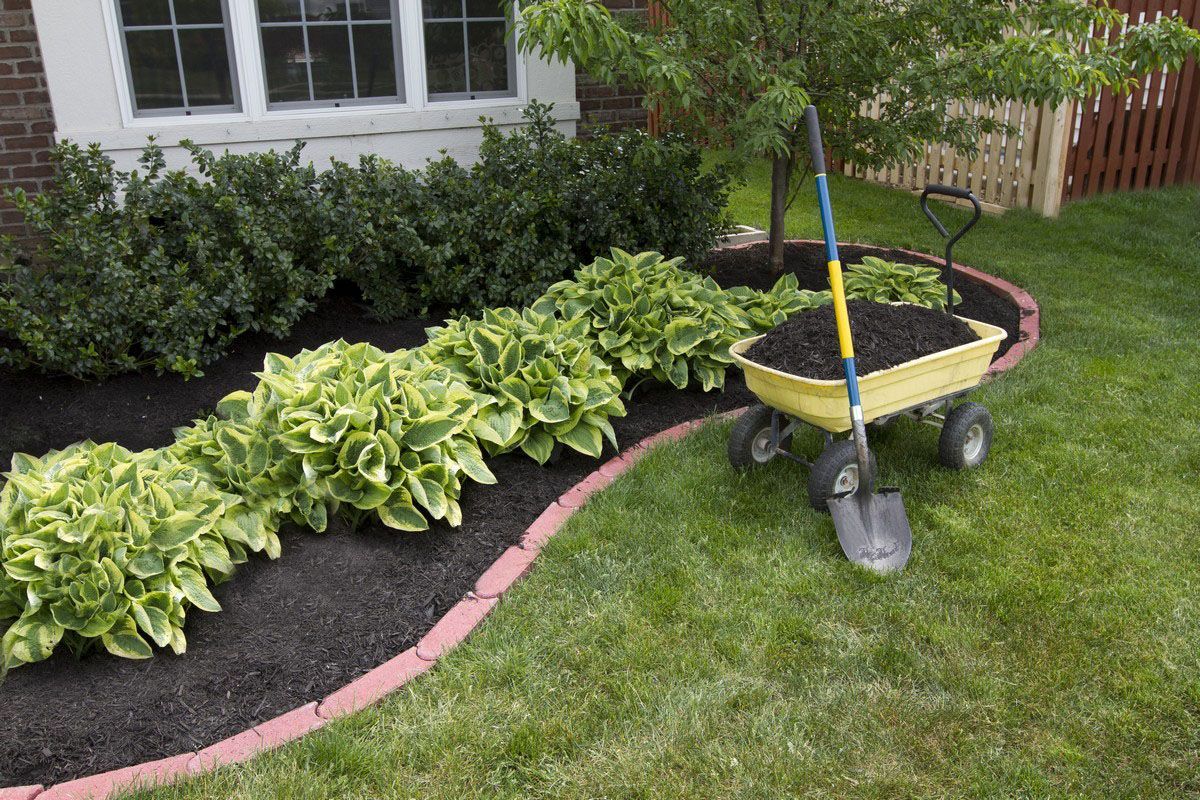
Mulch can help slow moisture loss from the soil surface while also reducing weed growth. Organic mulch around trees, shrubs, and planting beds can create a more stable environment around plant roots and reduce how quickly the ground dries after watering or rainfall.
Reducing Exposed Soil
Large areas of uncovered soil can lose moisture quickly through evaporation. Strategic planting, groundcovers, and mulch can reduce exposed areas while giving the landscape a more complete appearance. These materials also help protect the soil surface from erosion during heavy rainfall.
Supporting Deeper Root Growth
Plants with stronger root systems can generally access moisture from a larger area of soil. Proper soil preparation and appropriate watering practices can support better root development over time. This can help landscapes become more resilient as plants mature and seasonal conditions change.
Using More Hardscape and Low-Water Features
Expanding Functional Patios
Patios can provide useful outdoor living space without requiring regular irrigation. Incorporating additional hardscape into landscape design can reduce the total area devoted to thirsty turf while creating places for dining, entertaining, and relaxing.
Adding Decorative Gravel
Gravel can provide texture and visual contrast in areas where traditional planting beds are not necessary. It can be particularly useful along pathways, around architectural features, or in sections of the property where reducing irrigation is a priority. Properly planned gravel areas can feel intentional rather than unfinished.
Creating Permeable Surfaces
Some hardscape materials allow water to move through or between surfaces rather than immediately running away. Permeable paving can help manage rainfall while still providing functional walkways, patios, or drive areas. This approach can support both water conservation and more responsible stormwater management.
Reducing High-Maintenance Turf
Lawns can remain an important part of residential landscapes, but not every open area needs turf. Reducing grass in places that are rarely used can lower irrigation demand. Replacing those sections with planting beds, hardscape, or groundcovers can provide variety without sacrificing the overall appearance of the property.
Using More Water-Reuse Features
Collecting Rainwater
Rainwater collection systems can capture precipitation from roofs or other surfaces for later landscape use where appropriate. Including storage considerations in landscape design can help homeowners make use of water that would otherwise leave the property through drainage systems.
Directing Runoff Strategically
Rainwater does not always need to be treated as something that should leave the property immediately. Thoughtful grading and drainage can direct runoff toward planted areas where conditions allow, helping reduce reliance on supplemental irrigation while still protecting structures from unwanted moisture.
Using Rain Gardens
Rain gardens can temporarily collect runoff and allow it to soak into the ground more gradually. These areas are typically planted with species capable of handling changing moisture levels. When designed properly, they can add visual interest while serving a practical water-management function.
Integrating Water Conservation Across the Property
The most effective water-saving landscapes generally combine several strategies rather than relying on a single feature. Smart irrigation, efficient plants, improved soil, hardscape, and rainwater management can all work together. A coordinated landscape design can make these elements feel like part of one cohesive outdoor environment.
Using More Long-Term Water Planning
Planning for Seasonal Changes
Water requirements can change substantially throughout the year. Spring growth, summer heat, fall dormancy, and winter conditions all affect irrigation needs. Professional planning can account for these seasonal differences, so watering practices can change along with the landscape rather than remaining fixed.
Planning for Plant Maturity
New landscapes often require more water during establishment than they do once plants mature. Designers can consider how large plants will become and how their water needs may change over time. This helps avoid creating a system that is only appropriate for the first few years.
Planning for Maintenance Needs
Water conservation depends partly on keeping irrigation systems, drainage features, and planting areas functioning properly. Broken heads, leaking lines, clogged emitters, or shifting soil can reduce efficiency. Designing with long-term maintenance in mind can make these systems easier to inspect and adjust.
Planning for Future Property Changes
Outdoor needs can change as households grow, patios expand, or new structures are added. Flexible landscape design can help homeowners adapt without rebuilding the entire irrigation system or removing large areas of established planting. Planning ahead can make future updates less disruptive and more efficient.
Water-saving outdoor spaces do not have to sacrifice beauty, comfort, or functionality. Smart irrigation, drought-tolerant plants, improved soils, strategic hardscaping, rainwater management, and long-term planning can all reduce unnecessary water use while supporting an attractive property. Homeowners interested in creating a more efficient outdoor environment can contact Nature Perfect Landscape and Design today to discuss professional landscape design options that balance water conservation with the appearance and functionality of their property.
Share On: